How would you look at the Space?
There are diff ways of taking space pictures:
Cameras, microscopes and telescope
I’d like to introduce you to a new perspective
towards the oceanic space
in terms of:
in terms of human,
molecular (Hexamita),
oceanic,
organizational (complexity),
and machine perspectives
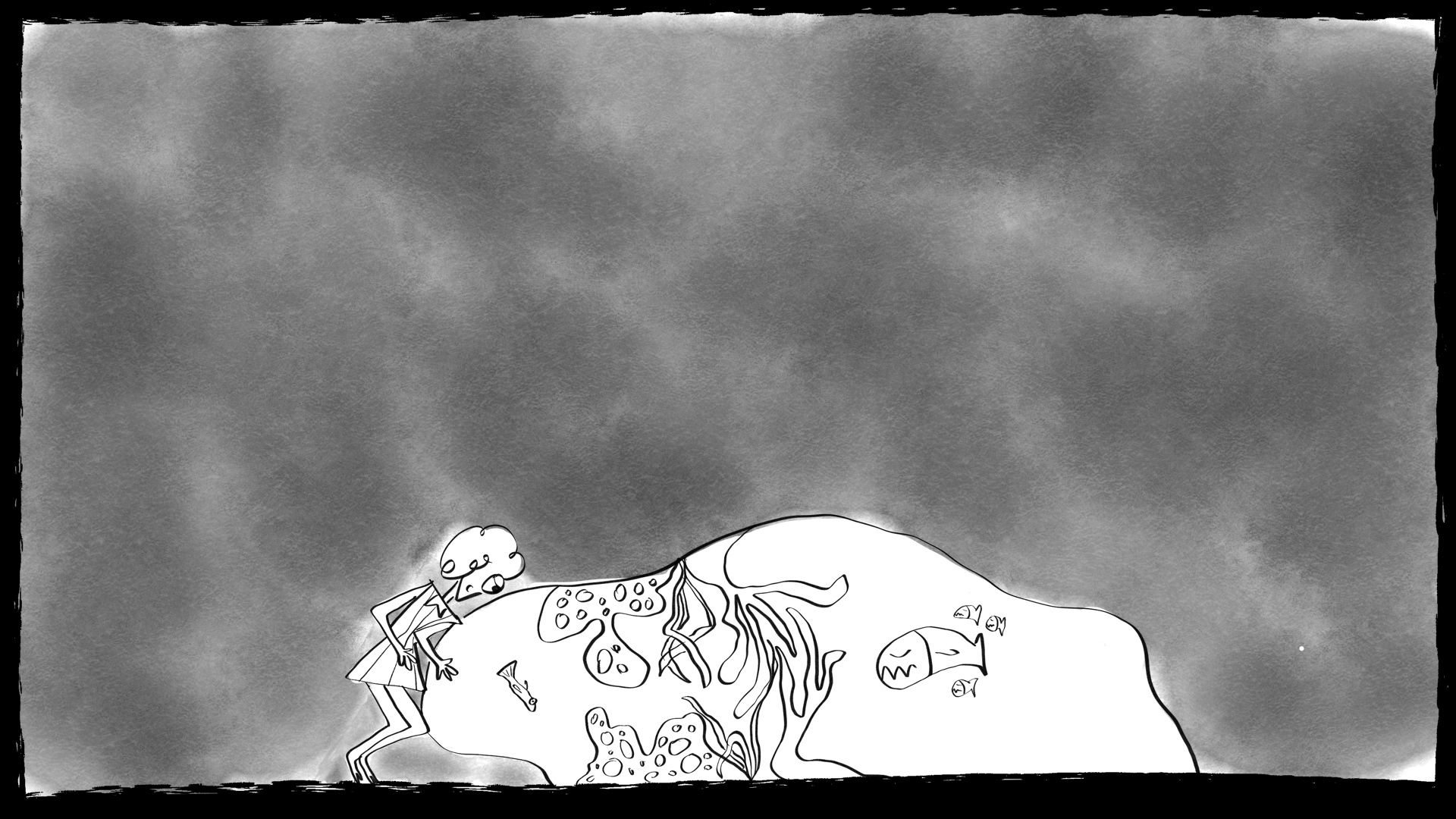
I always wanted to be an astronaut.
I didn’t know the word for it.
I didn’t know girls could be astronauts either.
But they told me that one could
Travel both in time and space
with Words!
I wanted to learn how to do that
So I turned out to be a Space Engineer, instead,
or,
A Computational Evolutionary Biologist
Or
a Digital Astronaut
However you like it.
Now, I will walk you through
both scientific and imaginary spaces
Far far away,
Deep deep down,
In which the size of your body
Won’t matter anymore
Cause remember,
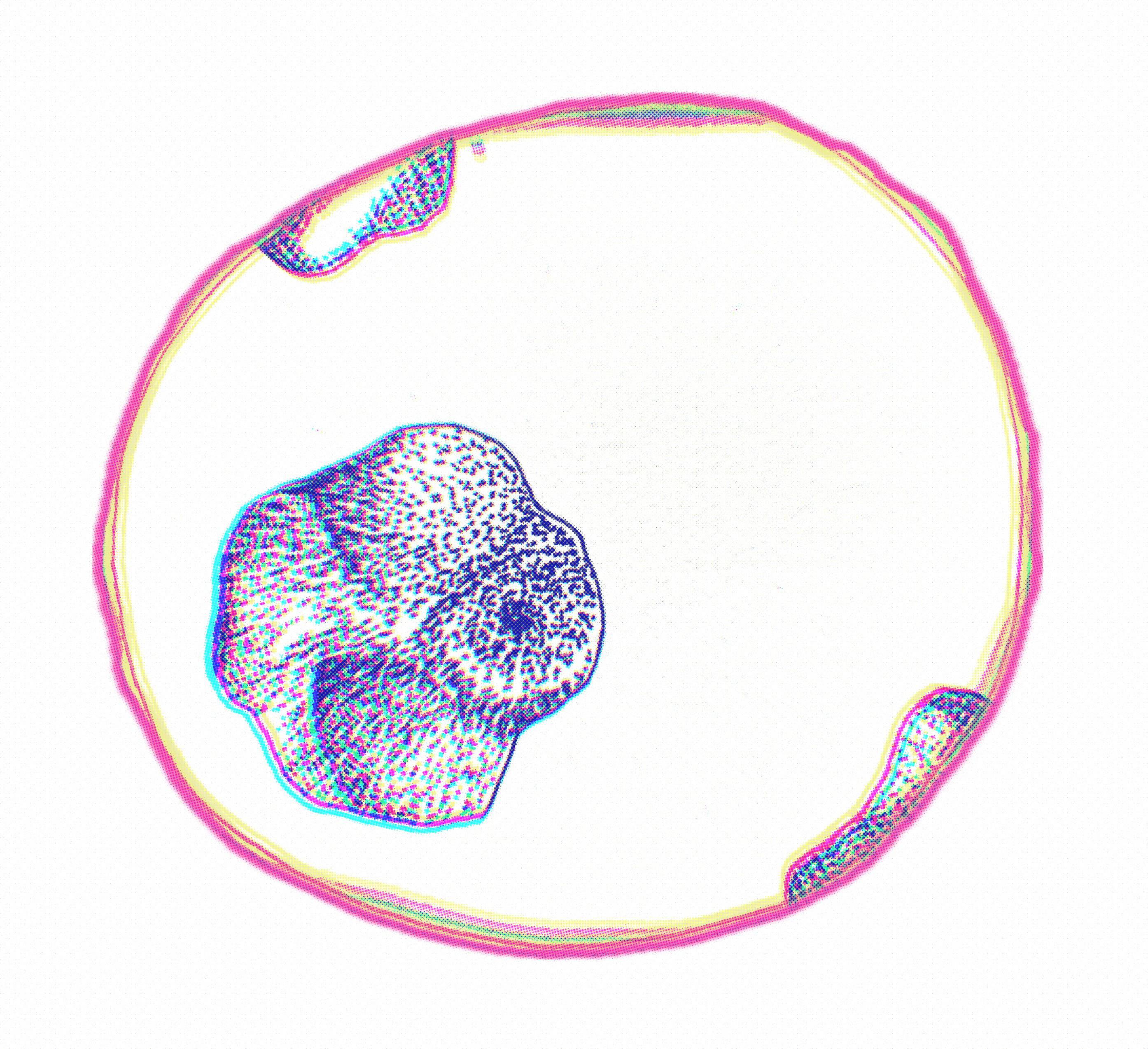
we were all that one tiny single cell
Floating around
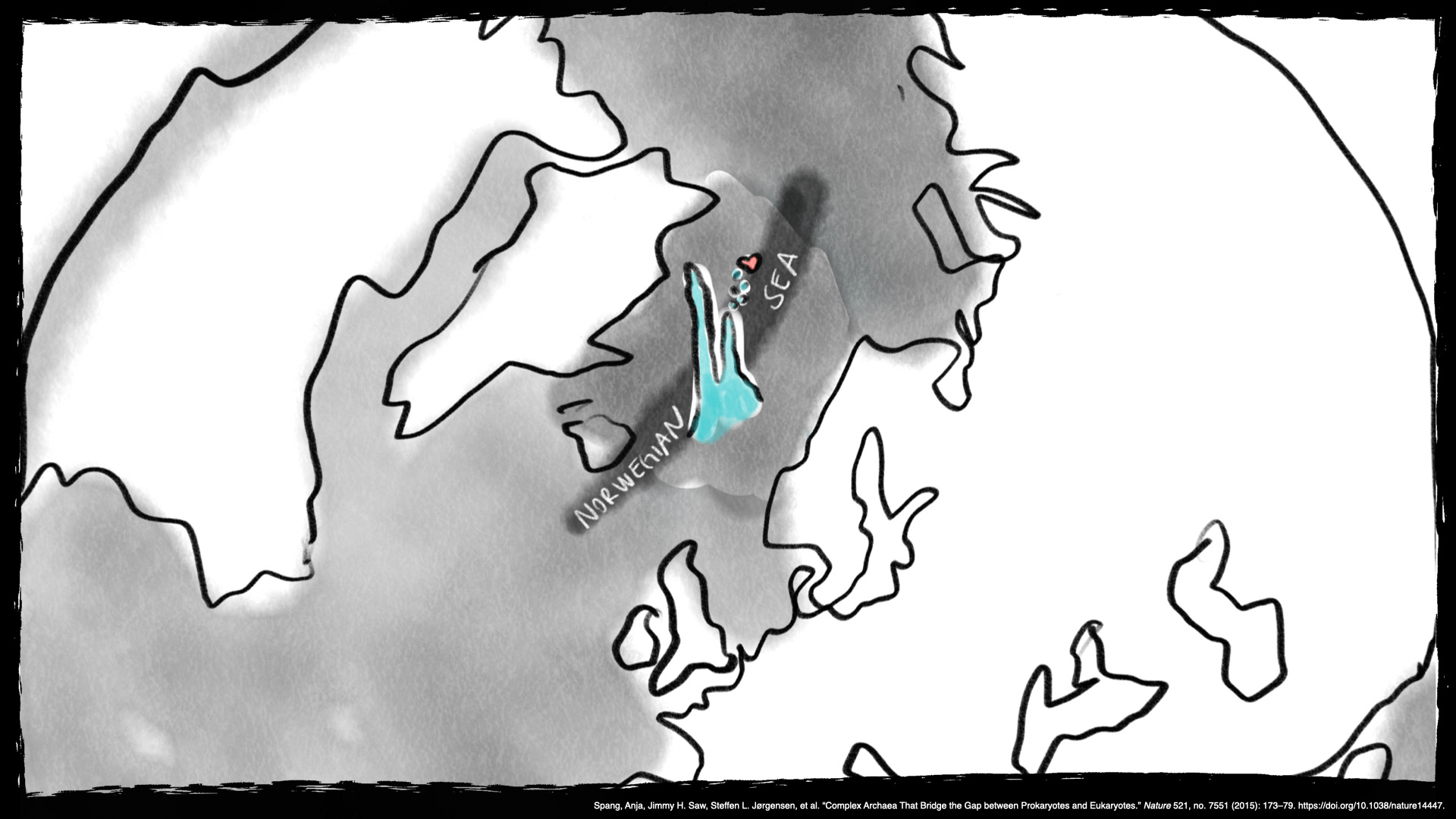
Buried deep down in a dark space
Bubbling from the hydrothermal vents
In Loki’s Castle
That’s the Home!
We were all together
hanging out with the Nordic GODs
Gathering
Just like this one but another,
Thor’sday and Frei’sday
Thor’sday and Frei’sday
Good old tiny days
How do we travel in time and space?
Well, as I said earlier
with words,
Or sequences, alphabets
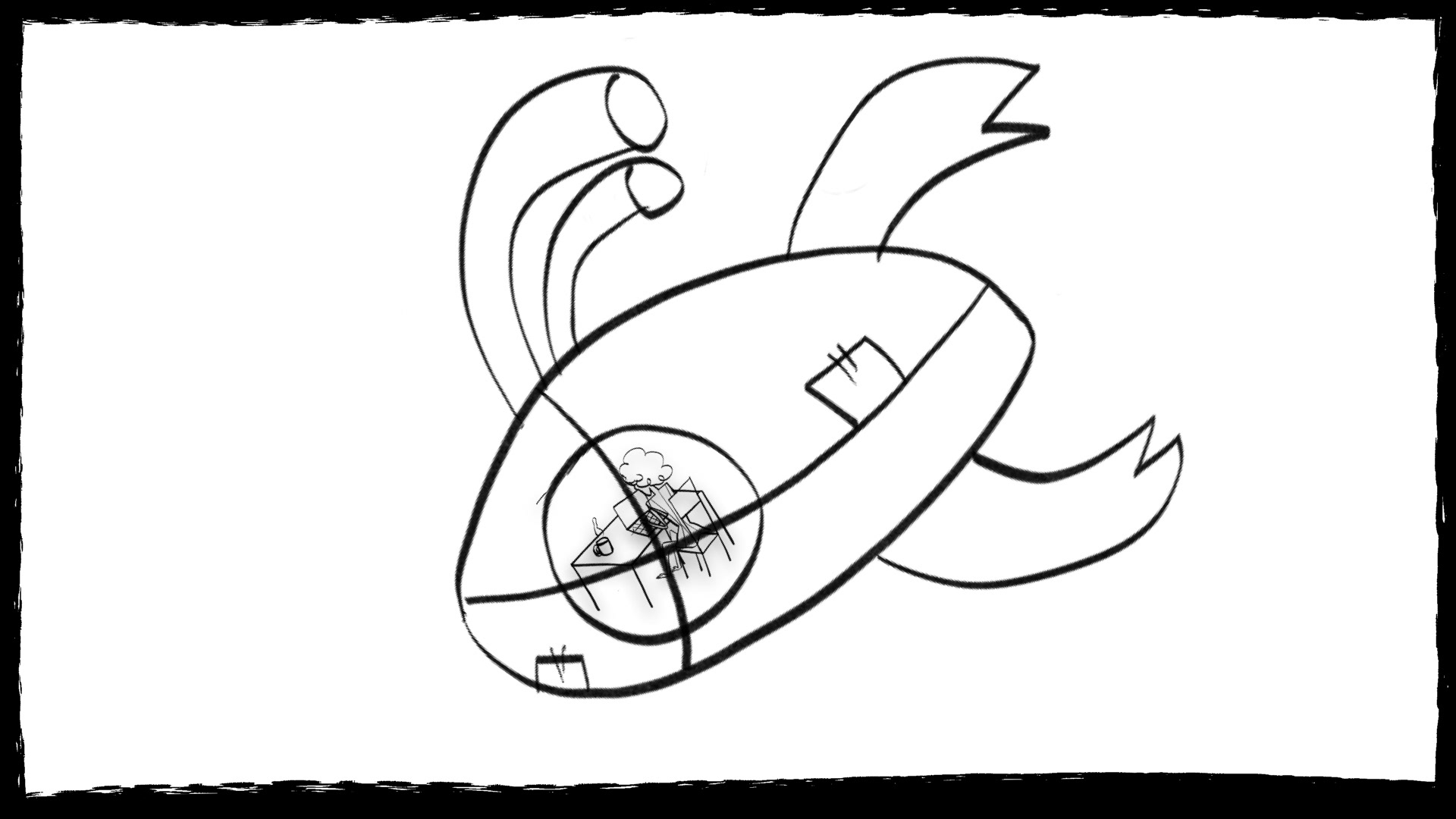
Within the Language Space Ship
This Ship
Not only sails through the ocean spaces
But also through genomic spaces
in terms of their
sizes, architectures and complexities
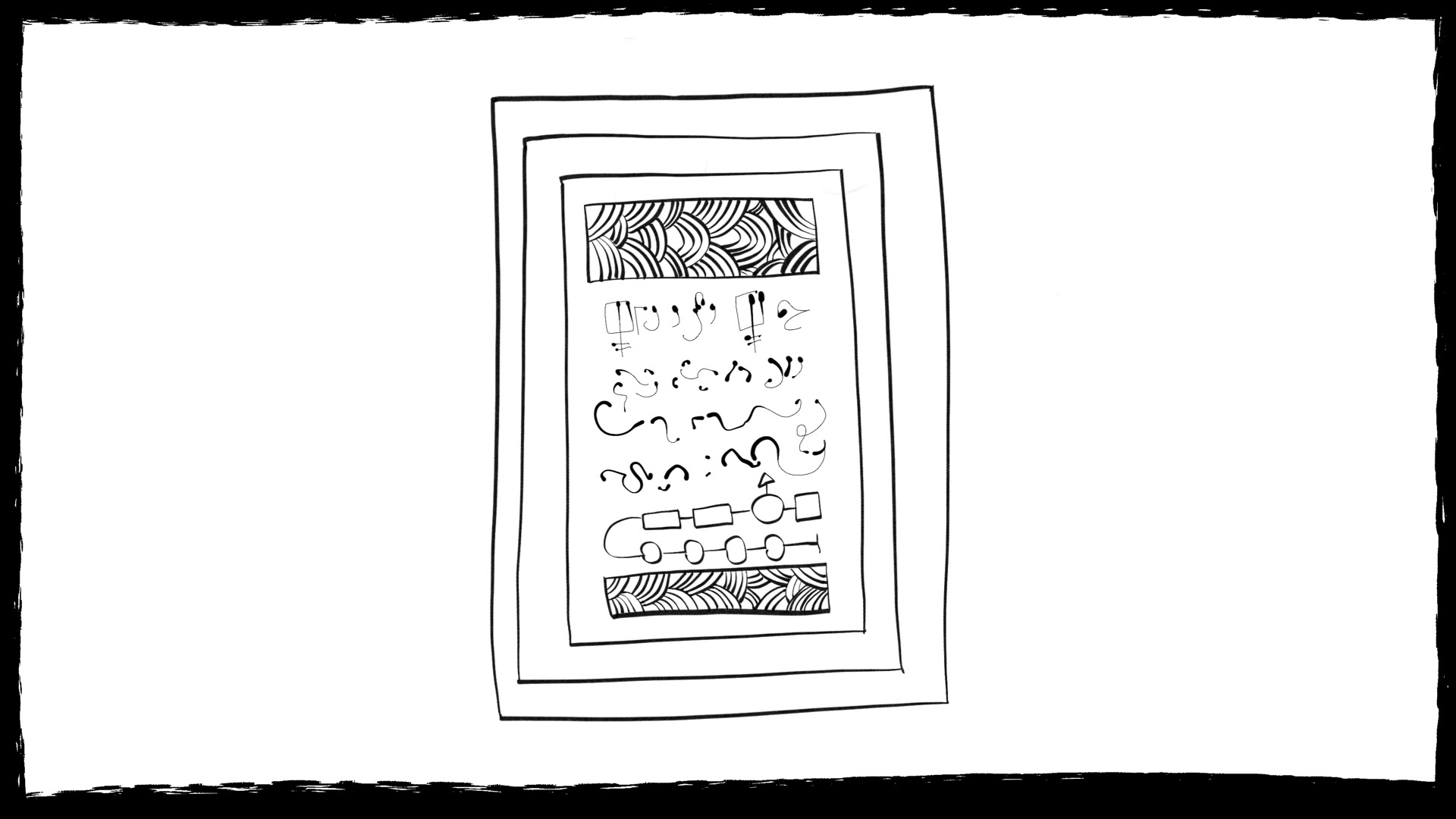
Okay here we are!
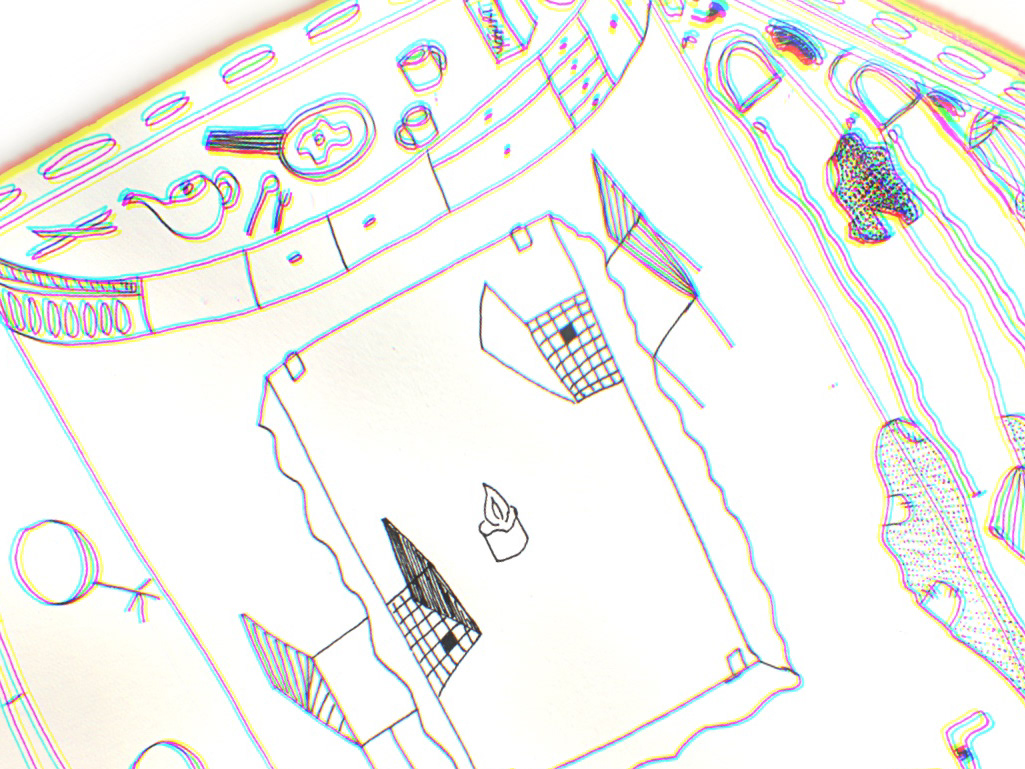
Ah, there is a book on the shelf
It’s called the Genome Book on the cover
Mm, whose genome is it?
Hexamita inflata
Mm, that must be a
(WRONGLY NAMED) nasty parasite
Inflata: apparently it causes inflammation, and
it has maybe
Mono, di, tri, tetra, penta,
hexa flagella?
(NOPE, there are 2 more!)
Well, whatever
let’s see what’s in the BOOK
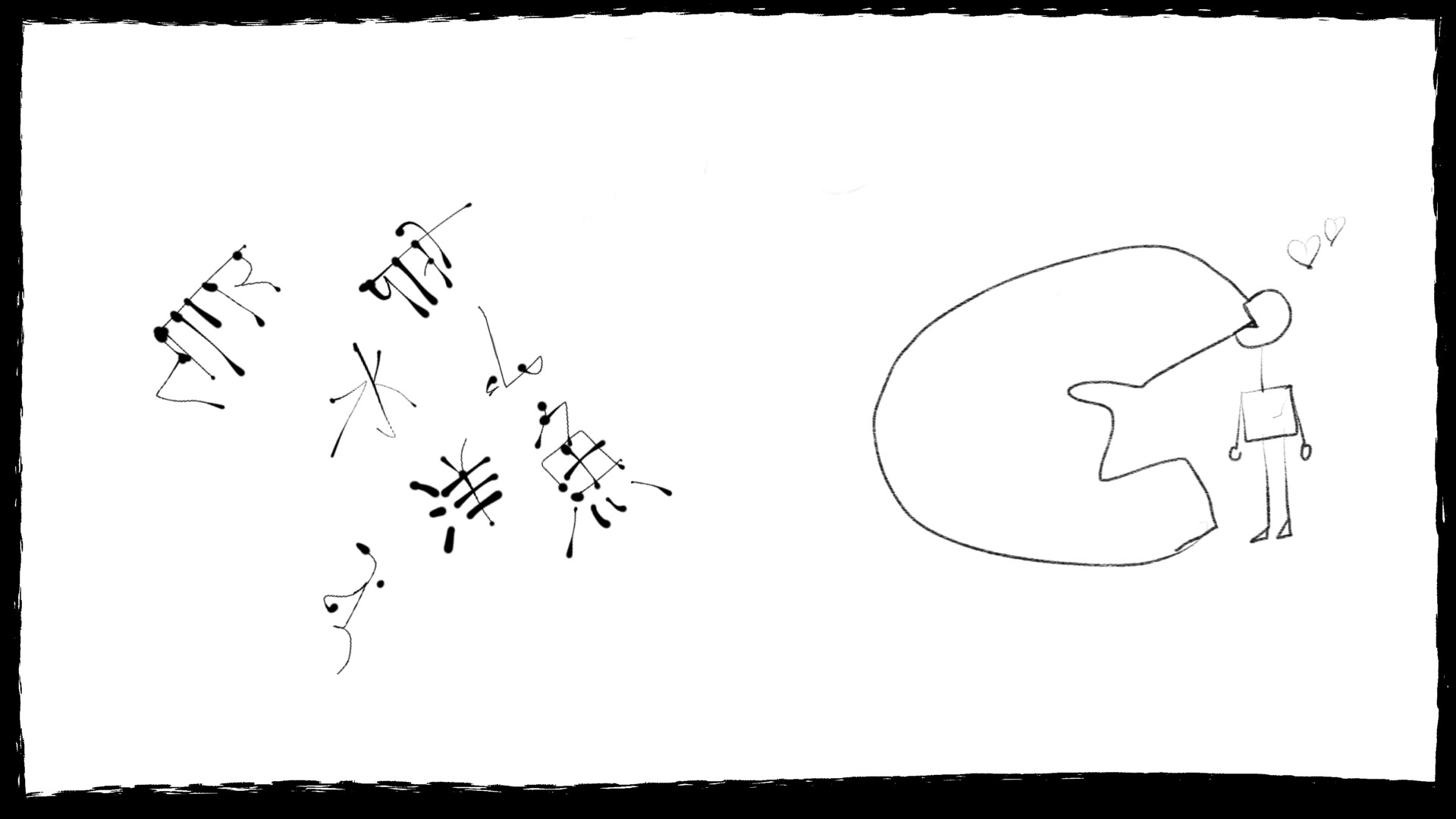
Mmm
There are 3 alphabets
and they all speak
the GENOME language
maybe with different dialects
Well maybe sugars form another language
But they could form words with the proteins and lipids
Can you make a new word combining the two alphabets
I dunno?
I guess sugar-proteins and sugar-lipids can!
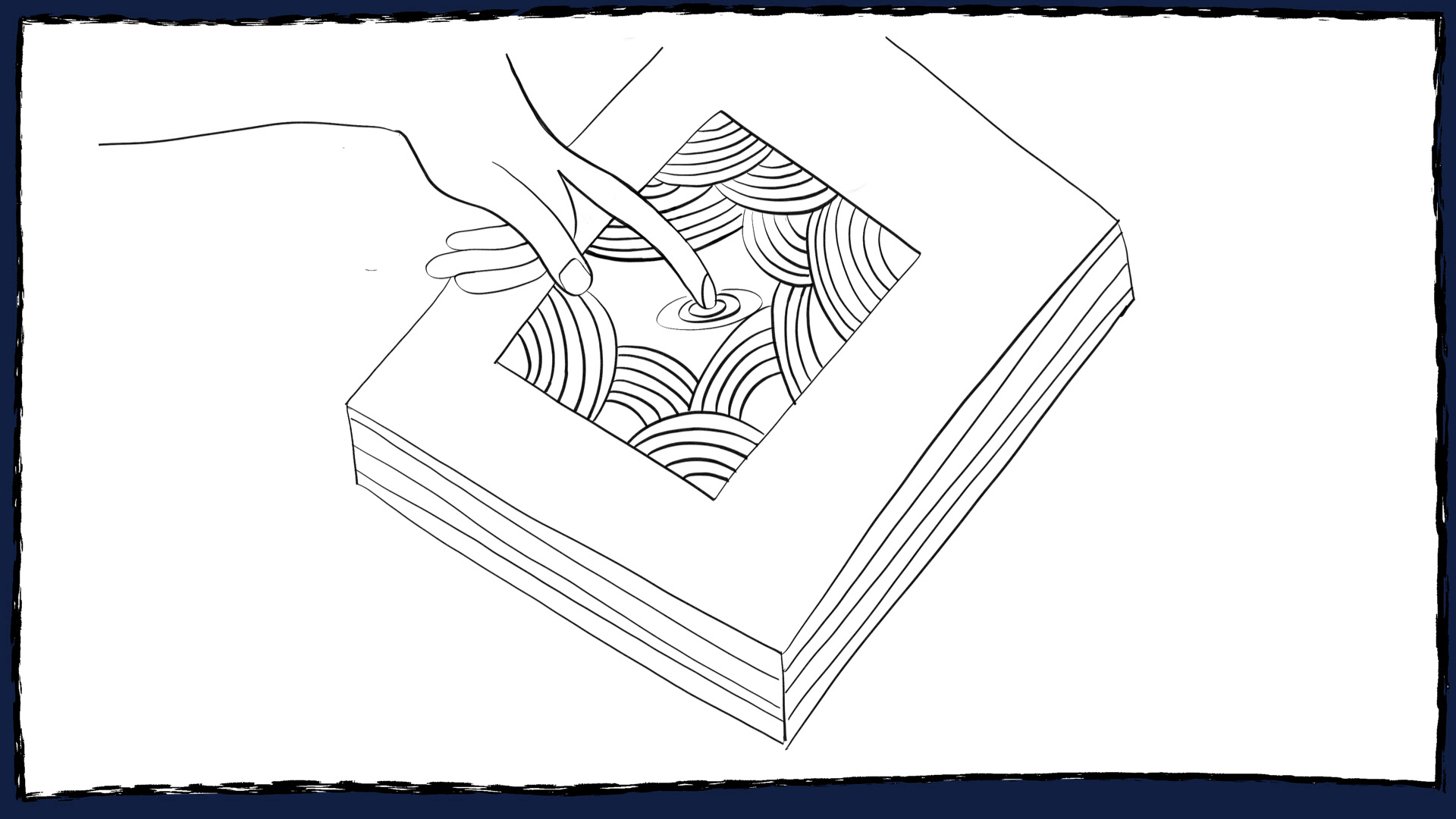
Look, there is a chapter called the Ocean
I guess it tells us how Hexamita ended up here
Deep down
In this dark ocean
Where we were all together
at
Loki’s Cozy Castle
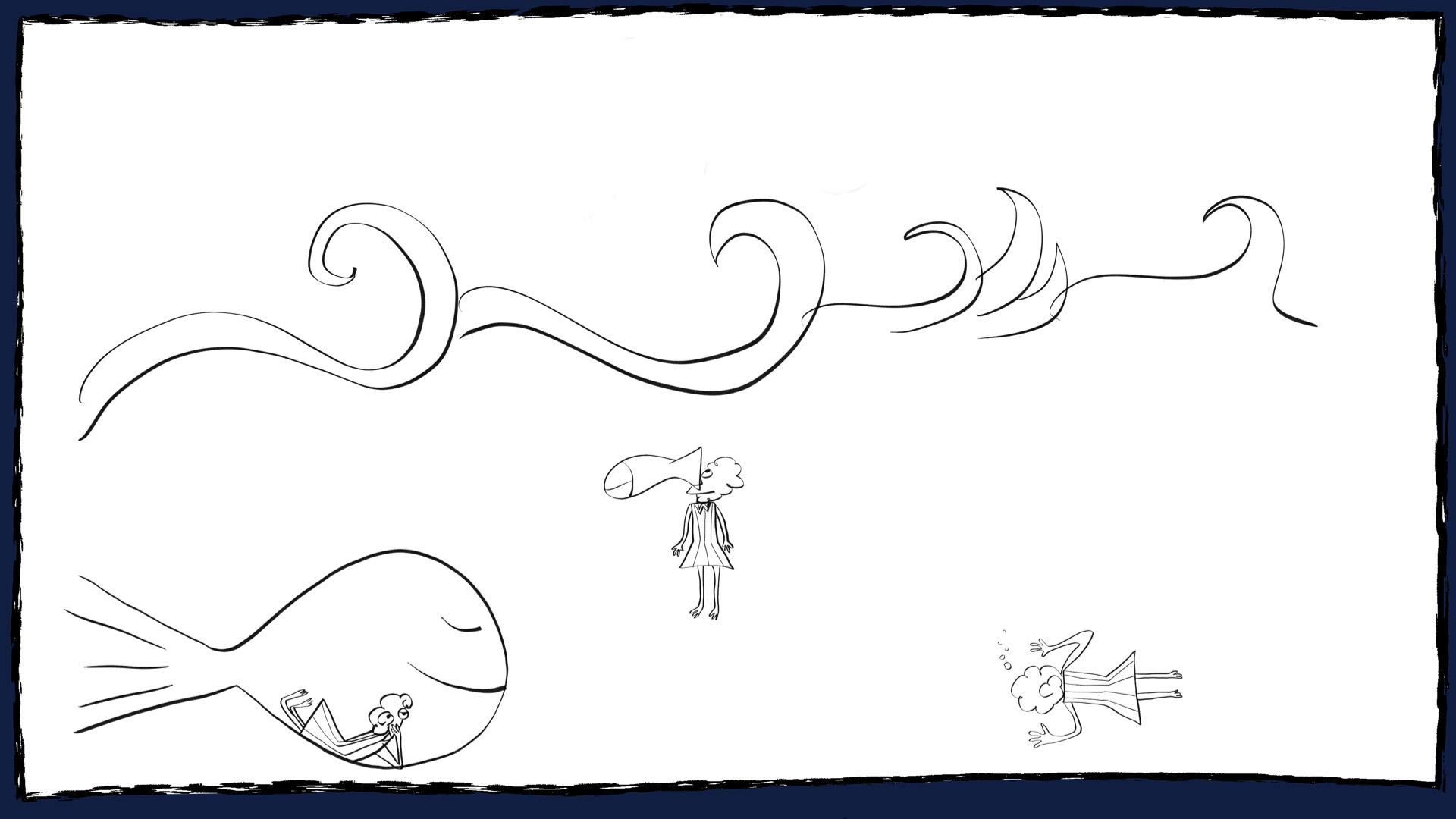
Lets start with a big question!
How can our ancestors help us understand the OCEAN?
Our tiny ancestors
Like Hexamita inflata!
Here we’re gonna look at the ocean
as if we’re Hexamita
Where did Hexamita come from?
What does Hexamita like to eat?
Who does Hexamita like to hang out with?
How did Hexamita travel across the OCEAN?
How did Hexamita find
a way home?
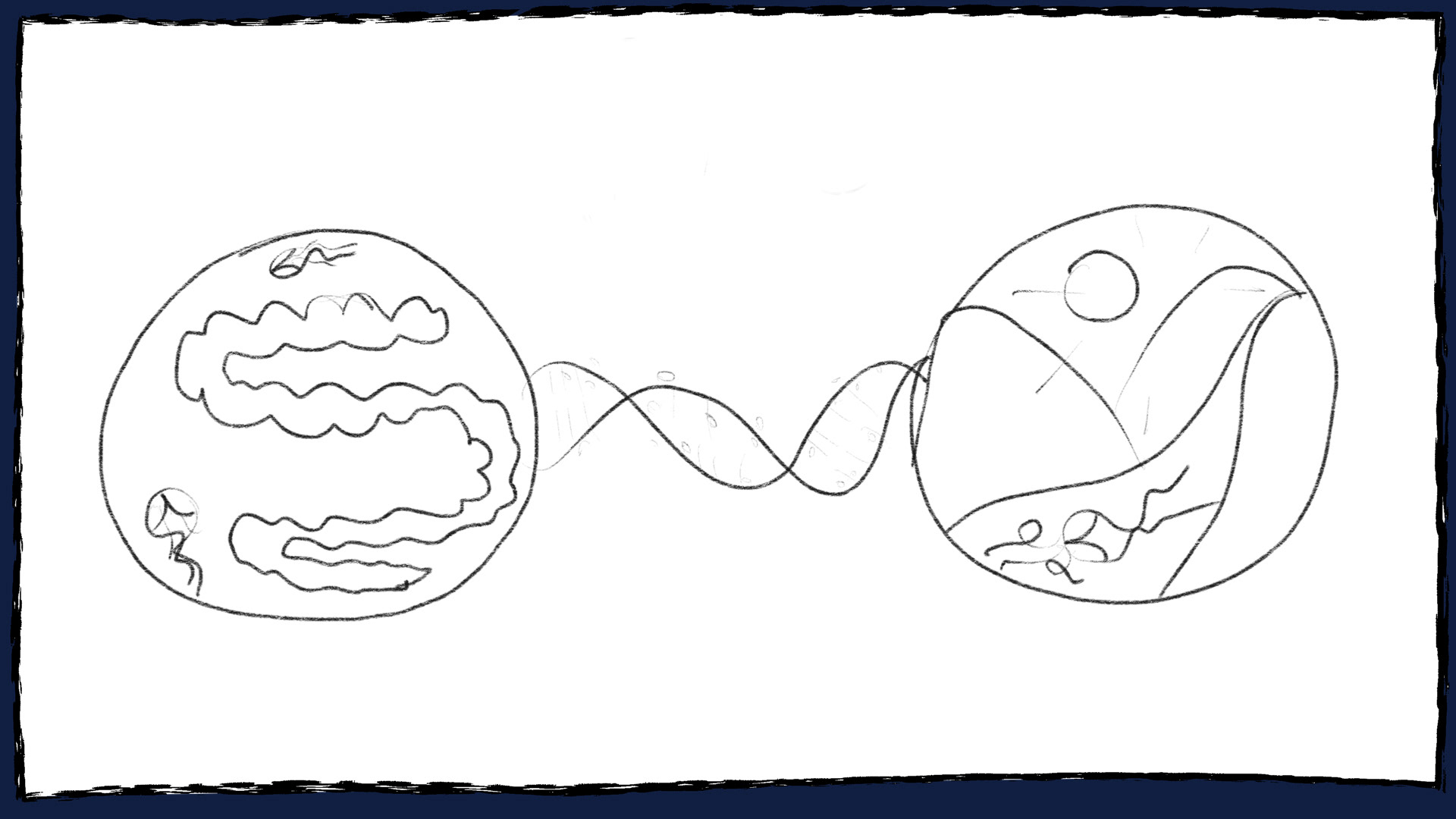
Overall, this journey of exploring
their peculiar genome and their
free-living lifestyle
beyond the gut
took us 6 years
to finally share with the rest of humanity
I’ll tell you why that is the case
and
what I mean by that
in a couple of minutes but,
let’s dive back into
the Ocean before
we get lost in
their Genomic Space
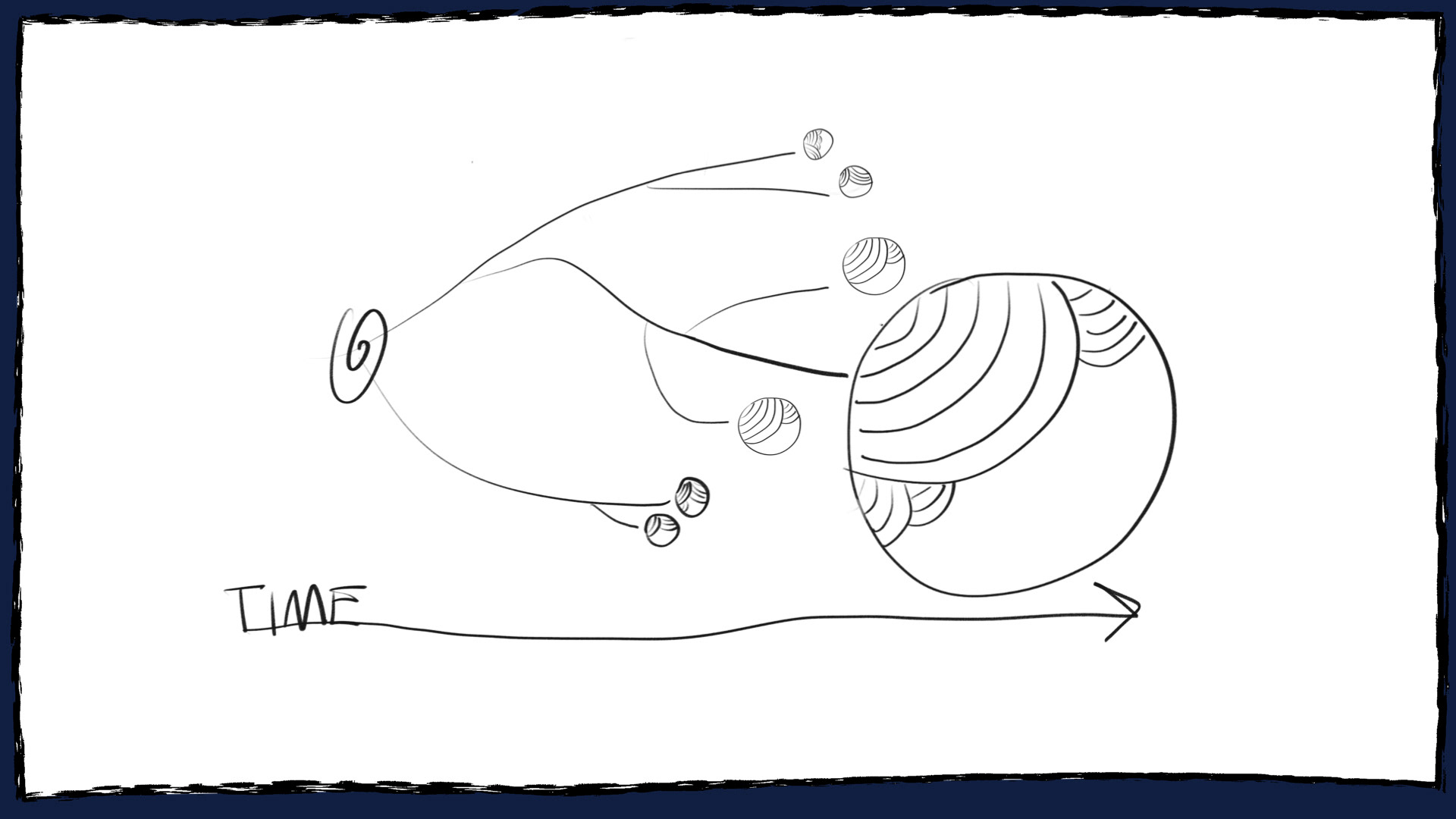
How did Hexamita
find a way
home from the OCEAN?
If you dig deep enough,
you can always find a way
to the Ocean.
So did
my tiny friend
Hexamita
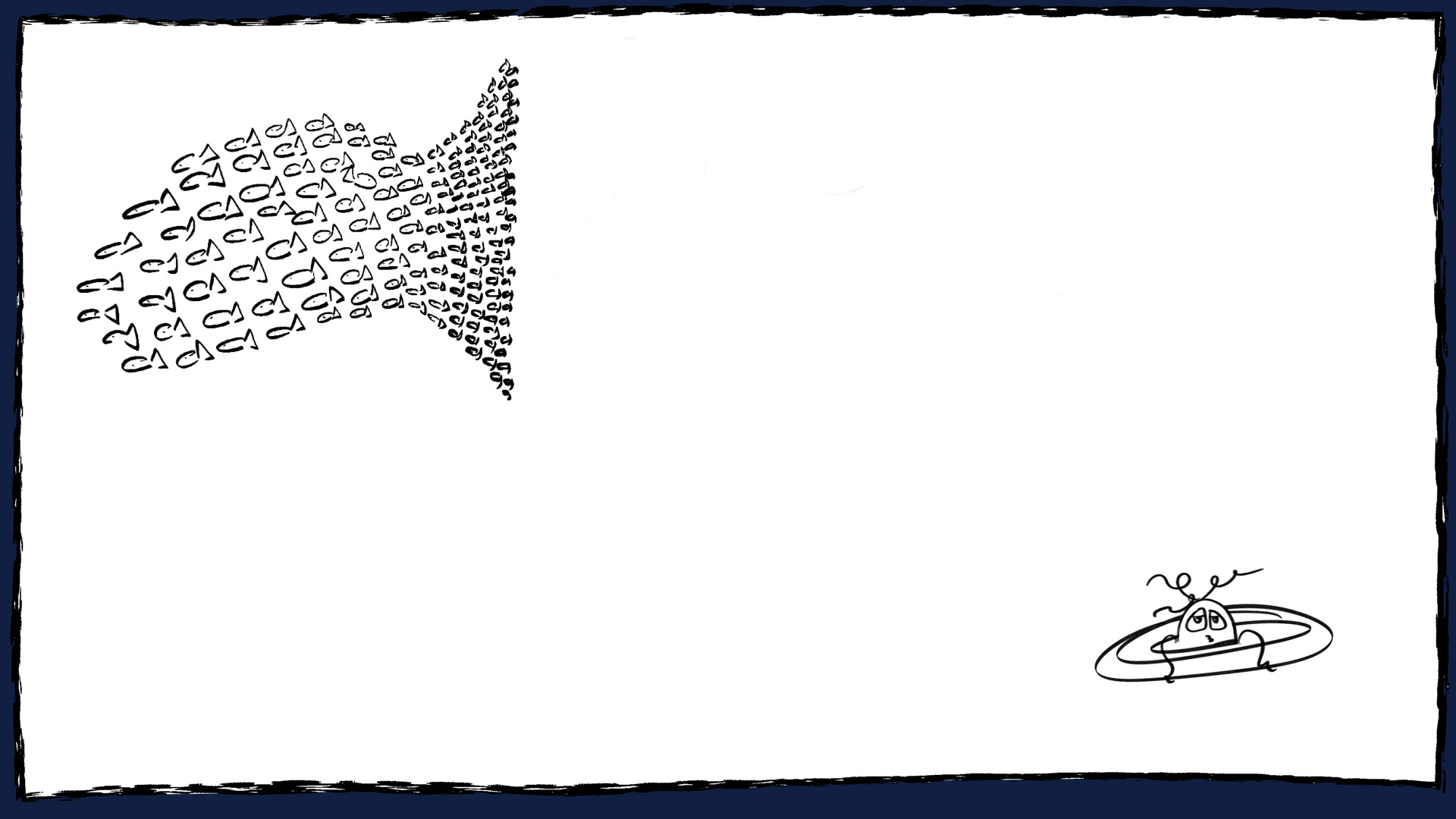
Here is how:
Say goodbye
to the Nordic gods
Get lost
for a couple of billion years
And then get stuck
in the bloodstream of
Atlantic salmon
For another few
more hundred million years
Sacrifice your mitochondria
To settle
for a low oxygen environment
Claim to be
an asexual eukaryote
Hang out with bacteria, instead
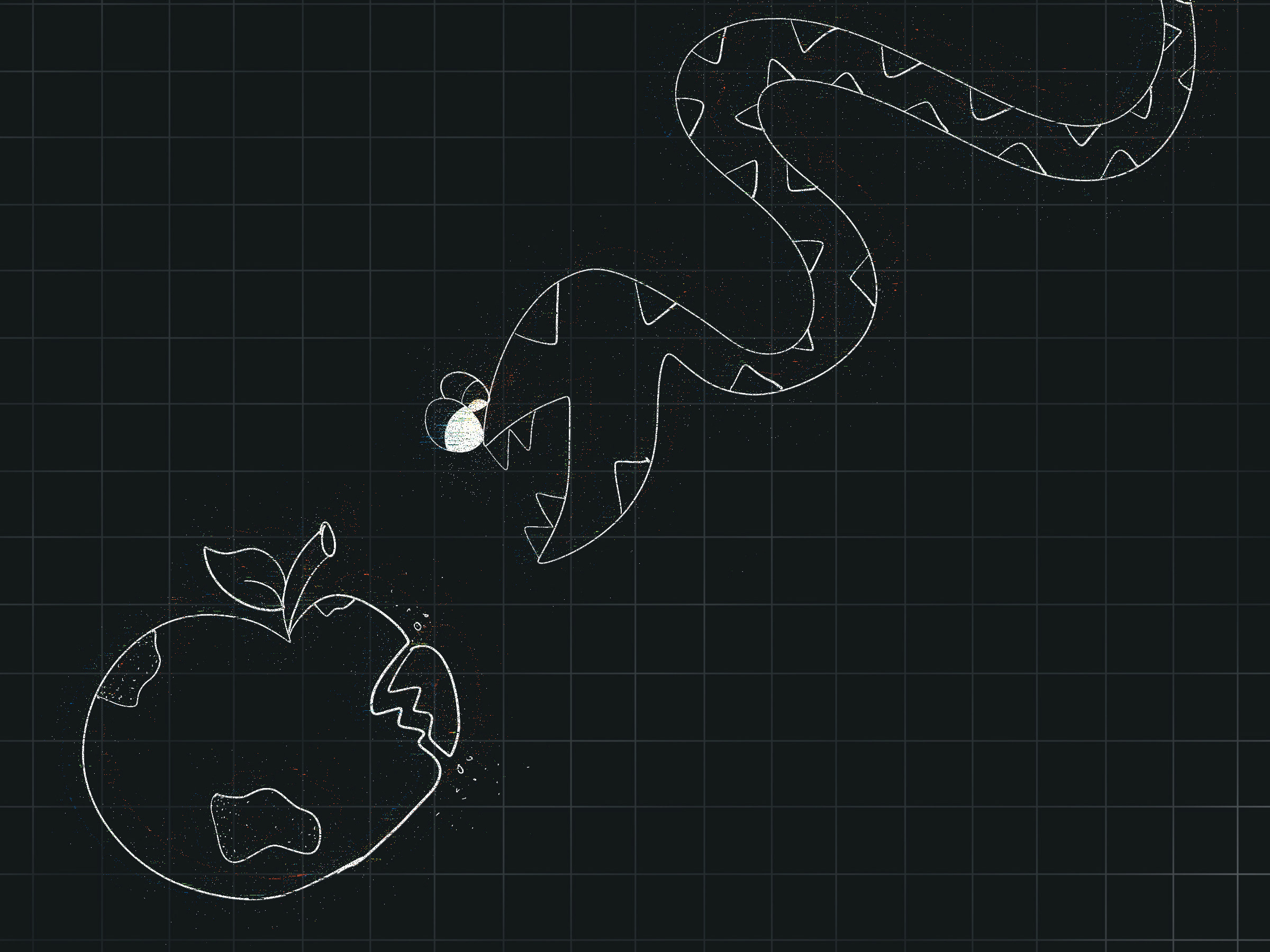
Steal their genes
Whoops!
And one day,
you wake up as
you wake up as
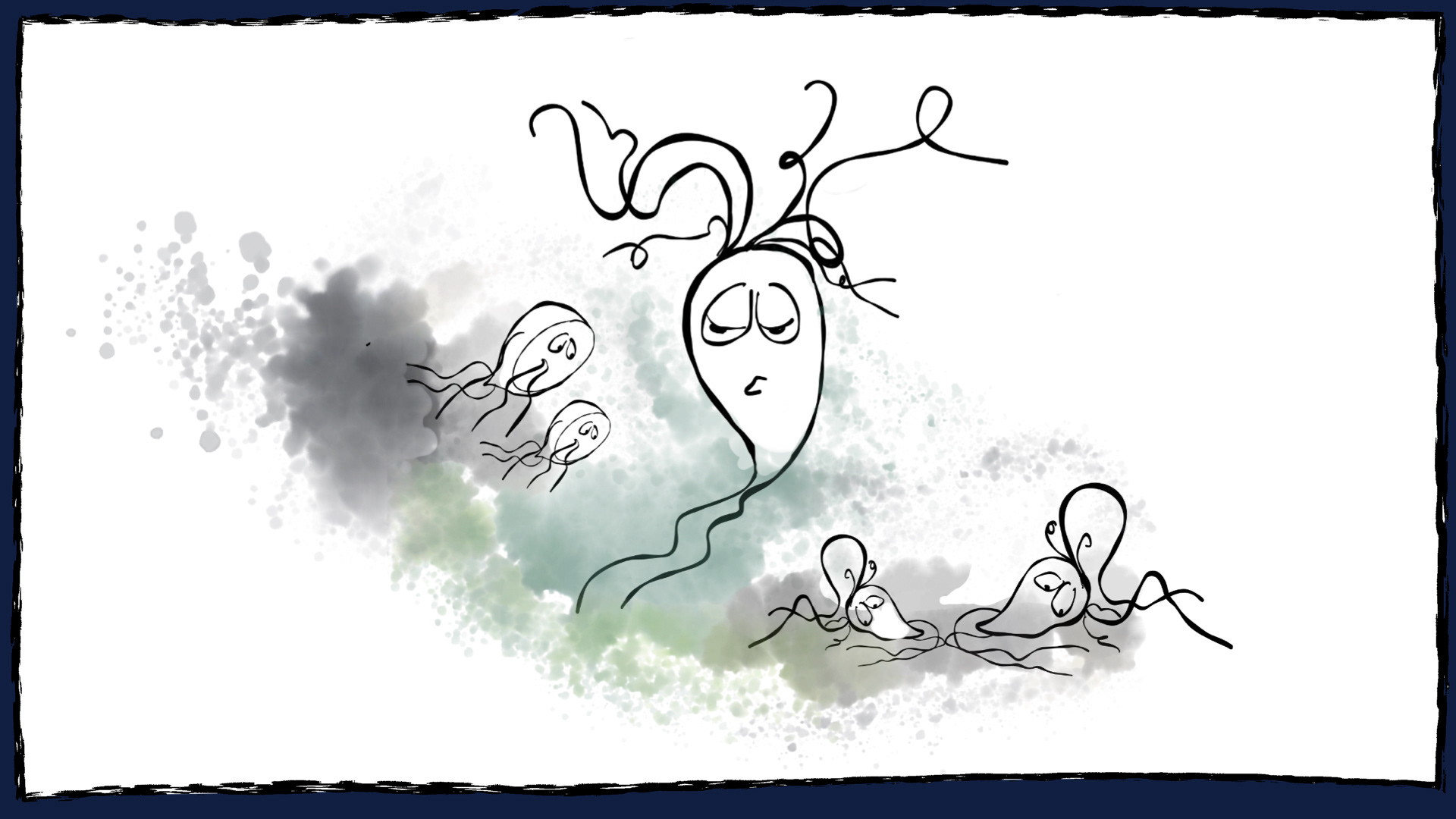
a free-living
Diplomonad with pride
In a green ocean
about the size
of a pond...
It was, of course,
all worth it
Not only for the sake of
showing
the Diplomonads
a way out of
the parasitic life
But also
to enjoy a skinny dip
On a dim
sunny day
in the frozen
Nordic lakes
Like Rumpelstiltskin says,
“everything comes with a price”
“everything comes with a price”
Now, I will tell you a little bit more
about what happened
to Hexamita’s Genome,
during this time
And what secrets
are hidden in that genome
Still waiting
to be uncovered
and enlighten us about
understanding
not just Hexamita’s
not-so-tiny genomic space
but any
complex space,
including
the Ocean
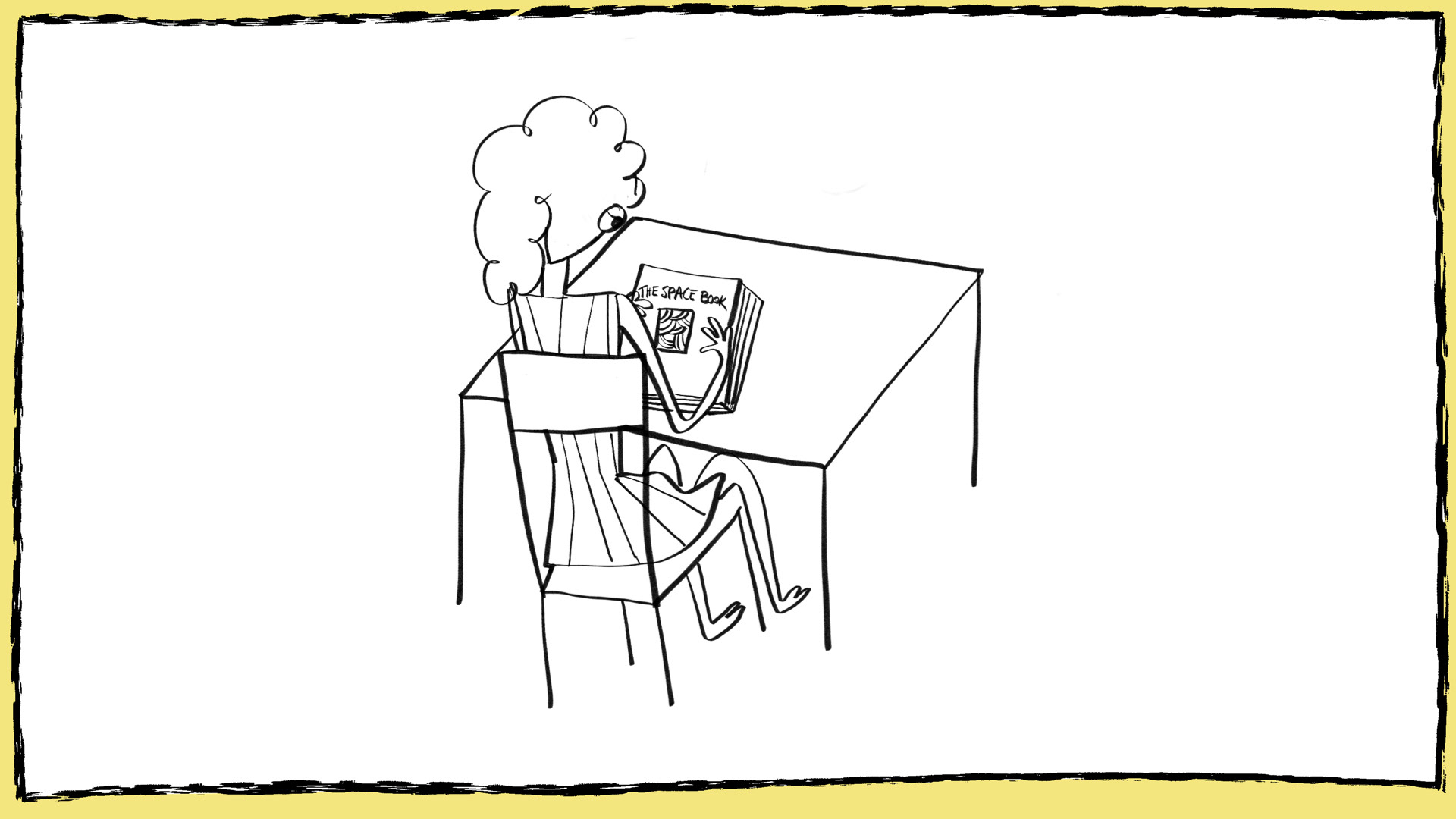
You can find
the rest of the story
in
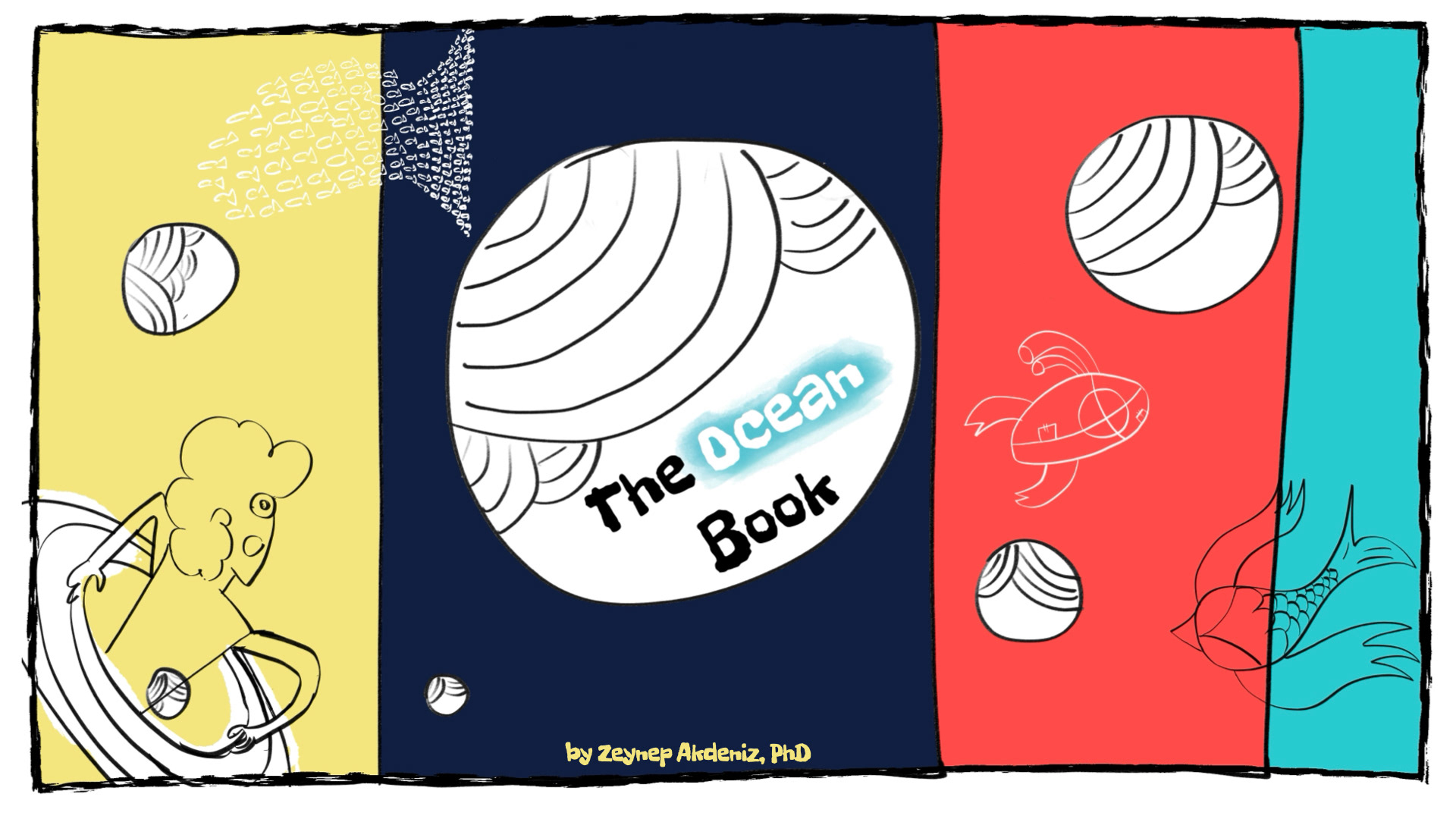
my PhD book:
Sequencing and Comparative Genomics of Diplomonads (Hexamita Family)
1- Sequencing (Words)
2- Hexamita Family (Biodiversity)
3- Comparative Genomics (Power)
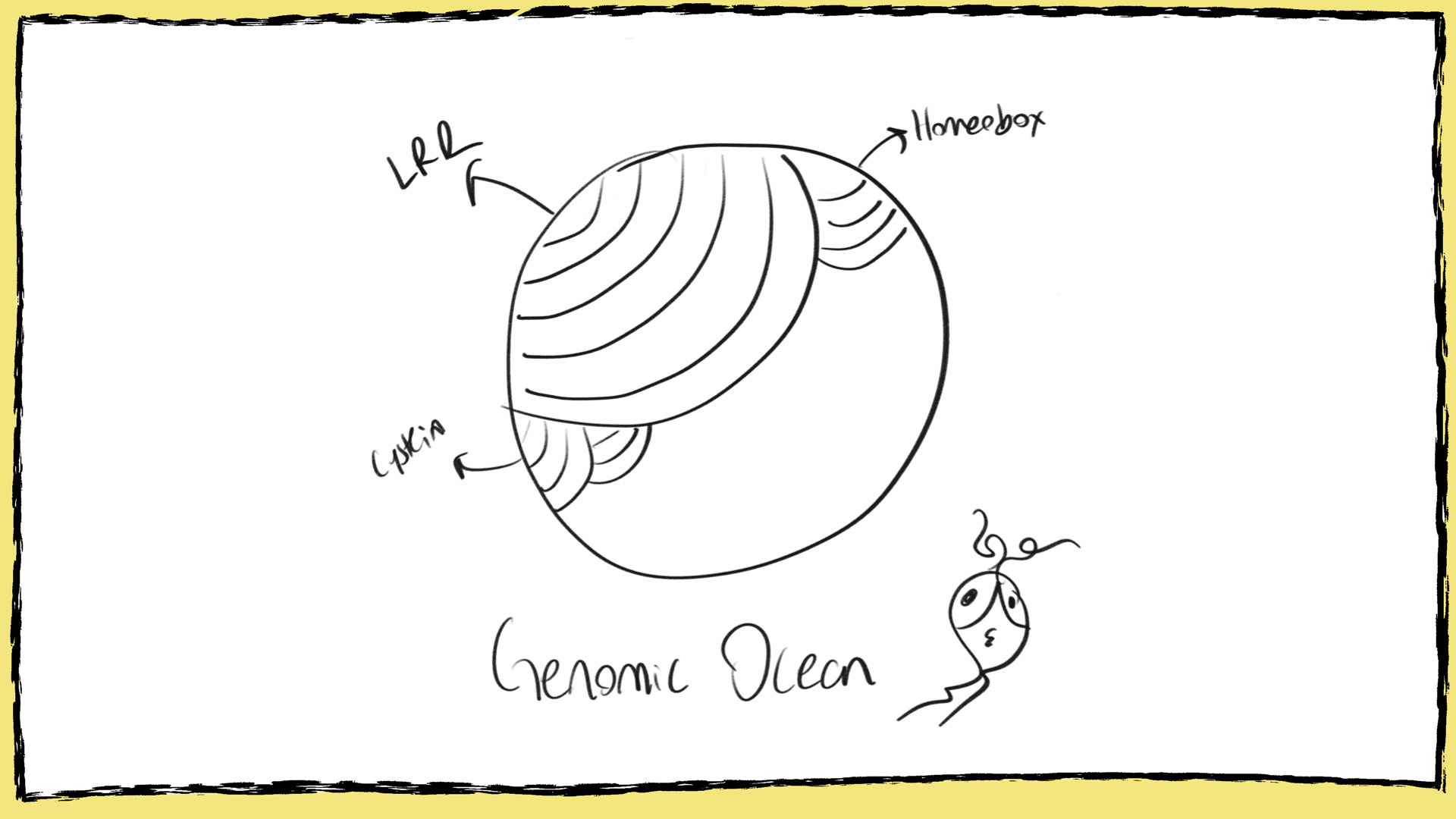
Thanks to the
computational tools and
mathematical models
we can turn
Words into Power!
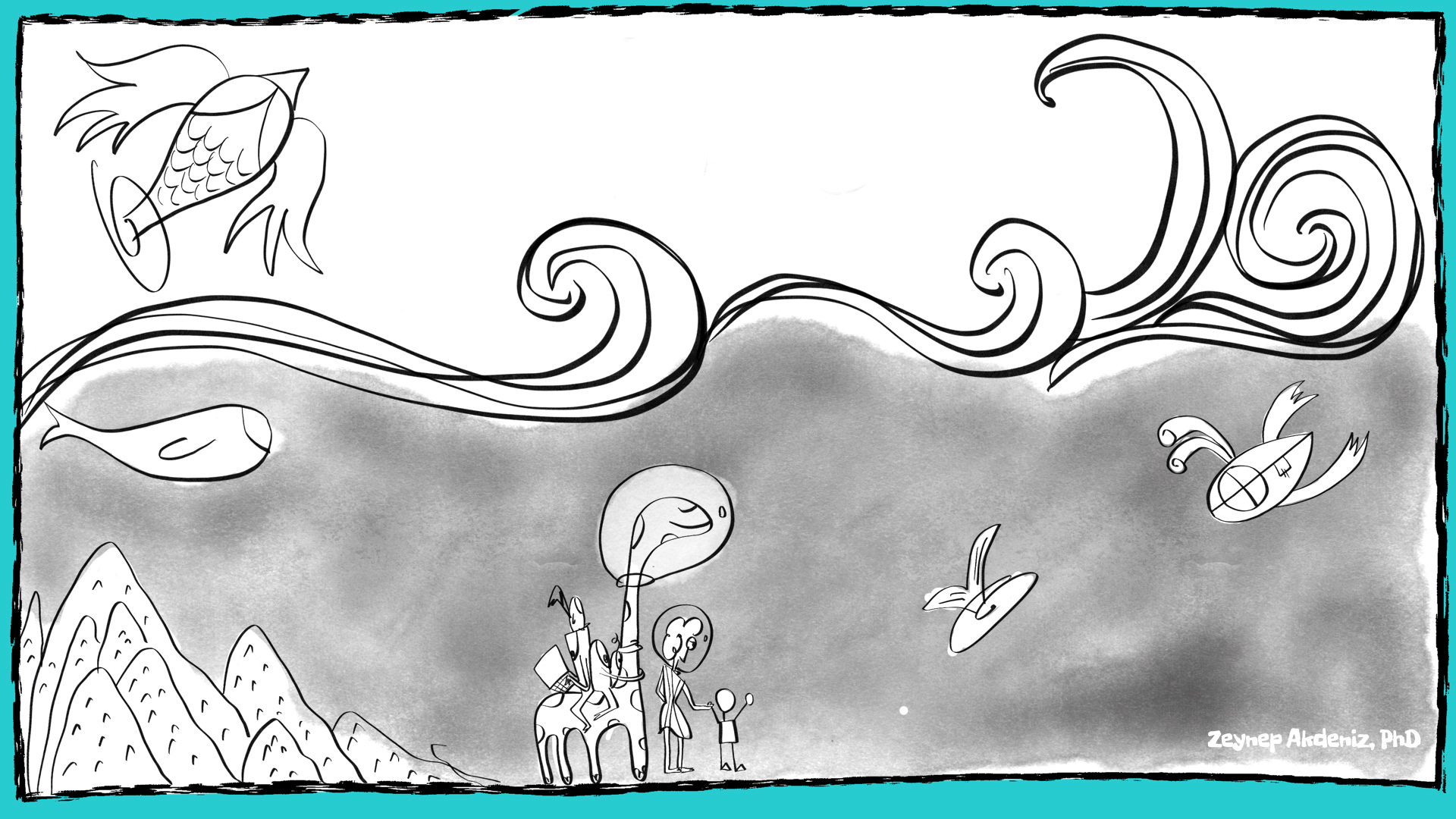
Now, the book is finished.
Let’s play!
In this game,
we are going to
make
an OCEAN.
When
I
say
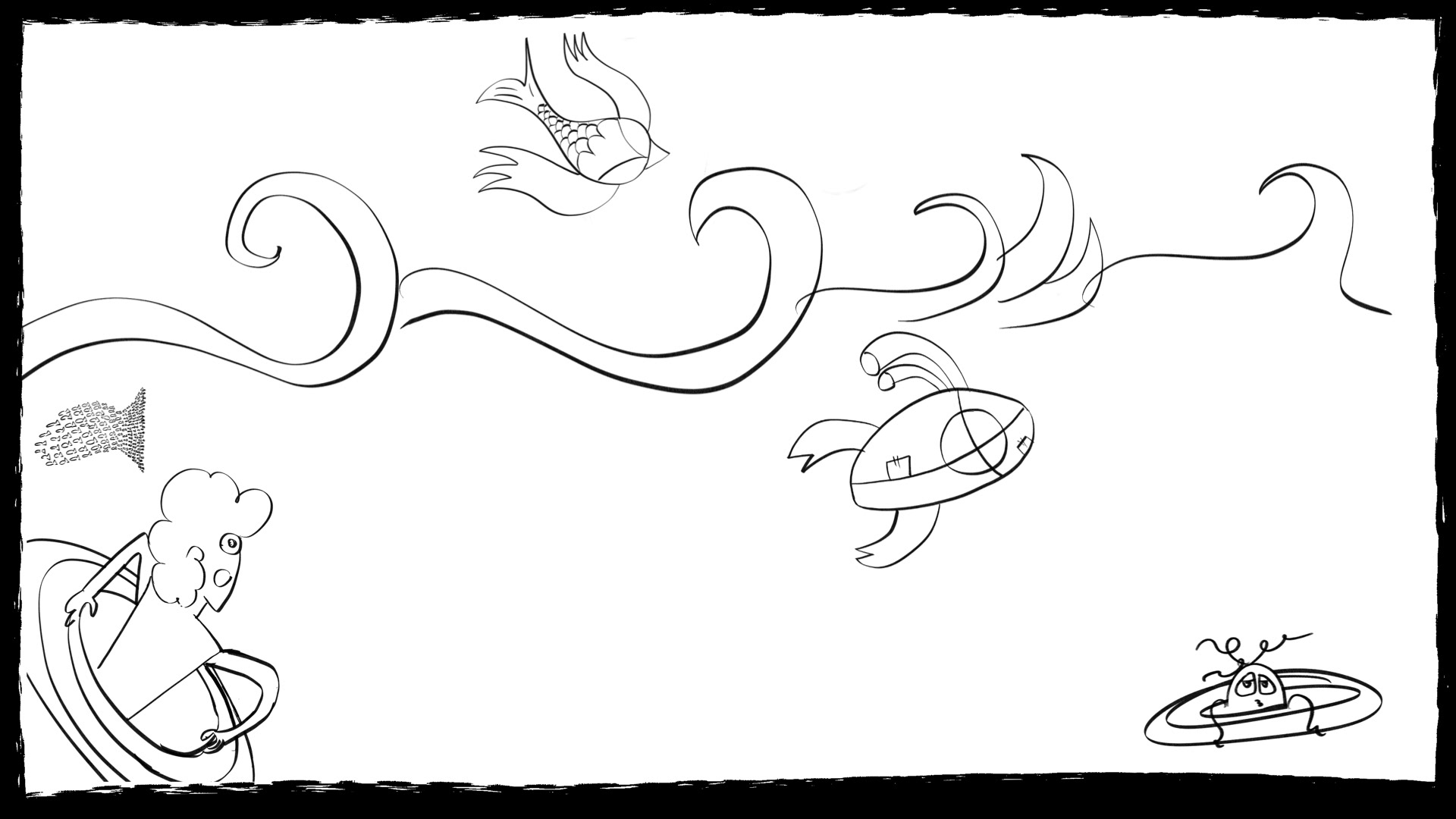
1 (bubbles), you all clap.
When
I
say
2 (foam),you all snap your fingers.
When
I
say
3 (waves), you stomp the ground
When
I
say
4 (wind), everyone laugh, “hah!”
Ready?